

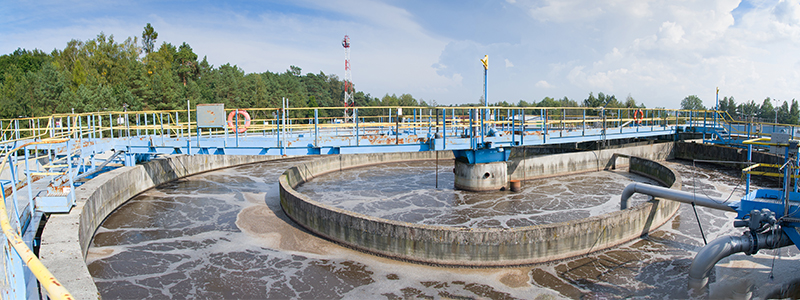
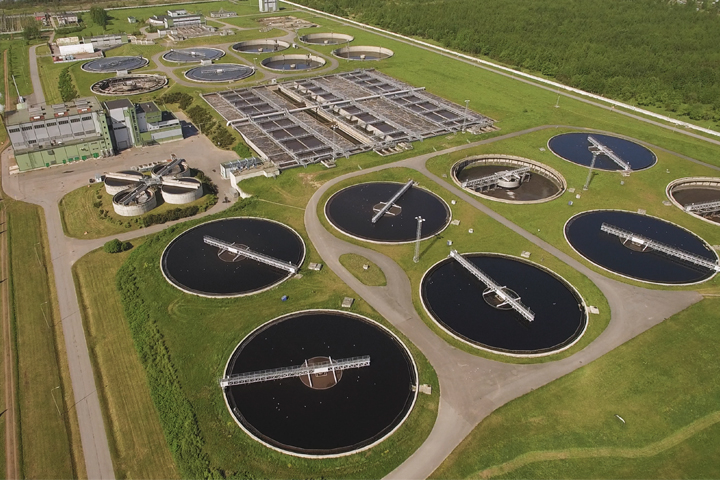
The sanitation market encompasses one of the infrastructures with the greatest impact on public health: the production of potable water and the treatment of sanitary sewage. Water treatment plants (WTPs) and wastewater treatment plants (WWTPs) operate under continuous demand, handling fluids ranging from raw water with fine solids to raw sewage loaded with fibers, grease, and organic matter.
In this environment, the selection of auxiliary equipment such as pumps, blowers, and valves is a determining factor for operational stability and compliance with environmental and sanitary requirements.
OMEL, with more than 70 years of experience in pumping engineering, offers the sanitation sector an integrated portfolio of solutions that covers the main operational stages, from raw water intake to effluent treatment and disposal.
The sanitation market and its processes
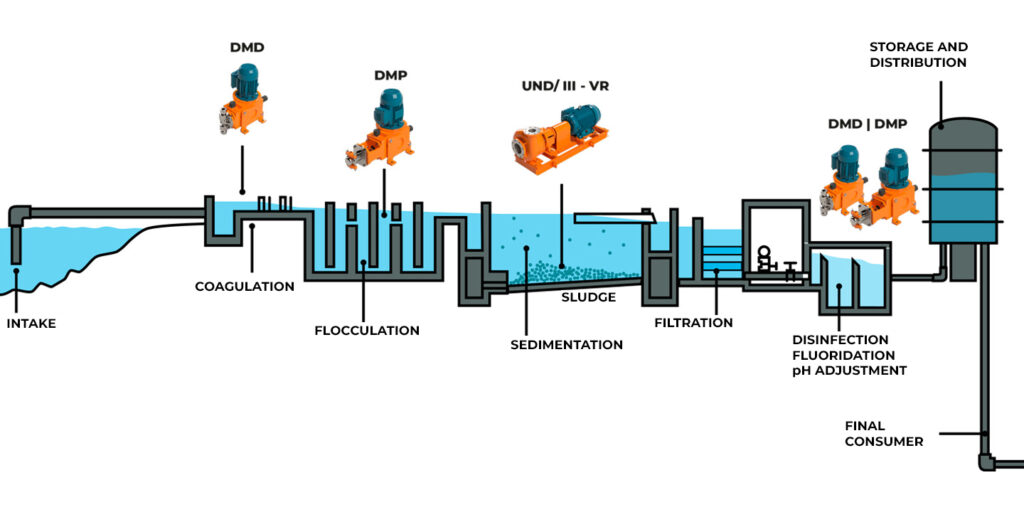
Sanitation facilities operate in two major areas. The first is water treatment for public supply, which involves processes such as intake from rivers or reservoirs, coagulation, flocculation, sedimentation, sand bed filtration, chlorination disinfection, and pH correction using caustic soda or hydrated lime.
The second is sanitary sewage treatment, which includes screening and sieving, primary sedimentation, biological treatment through aeration in lagoons or reactors, secondary sedimentation, disinfection, and sludge dewatering.
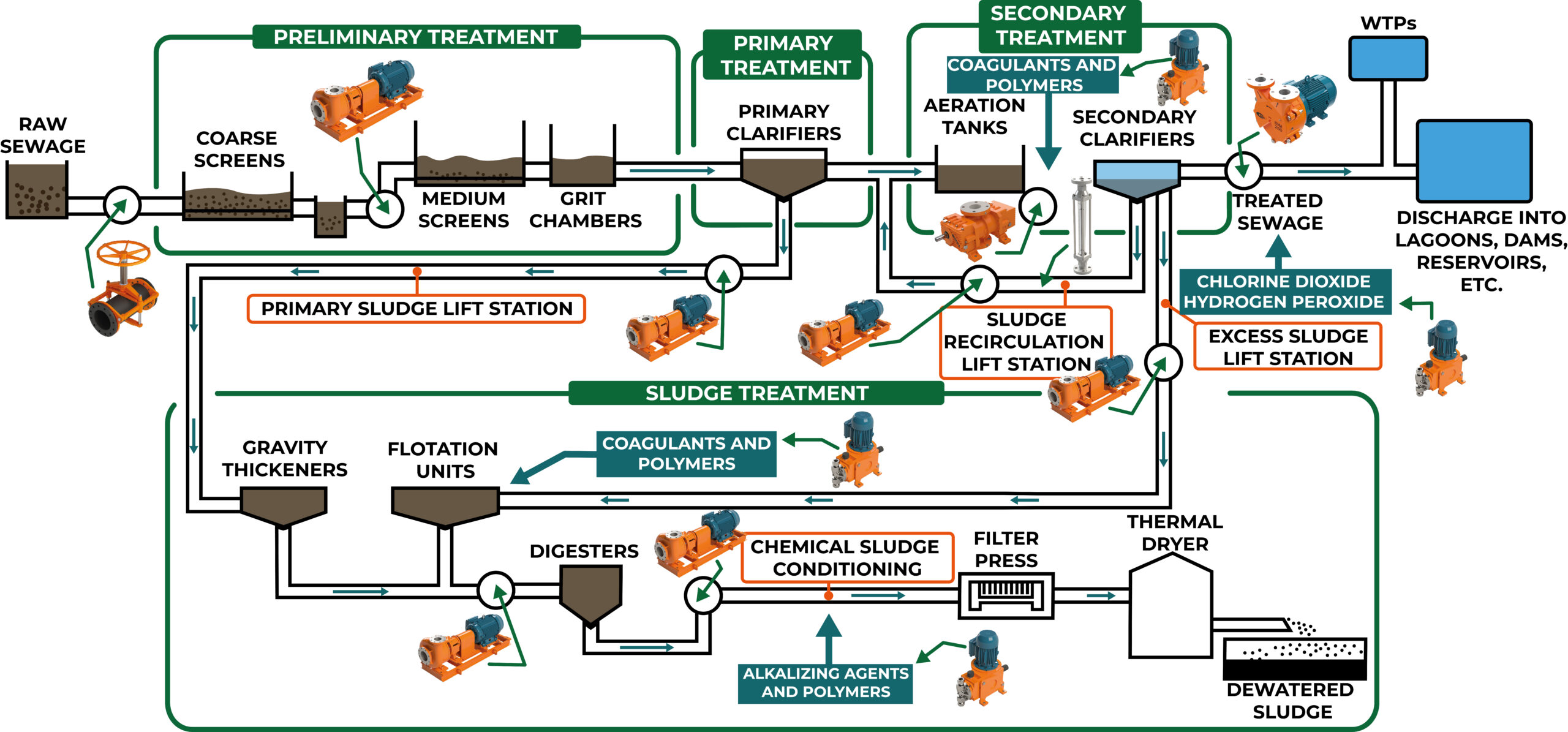
In both areas, the processes depend on four fundamental groups of auxiliary operations: reliable pumping of loaded fluids, precise dosing of chemical reagents, continuous and stable air supply for biological aeration, and effective flow control in lines that transport solids and fibers. It is precisely in these areas that OMEL equipment operates.
BVM vacuum pump: centrifugal pump priming
In raw water intake stations and in various internal transfer installations, centrifugal pumps frequently operate under non-flooded suction conditions, meaning they are positioned above the level of the reservoir or intake water source.
In this situation, the suction piping operates under negative pressure, and the presence of air in the line prevents the proper operation of the centrifugal pump, with the risk of dry running and premature damage to mechanical components.
Priming (the process of removing air from the suction line before startup) is therefore a critical operational stage. OMEL liquid ring vacuum pumps are widely used in this application, acting as auxiliary systems that remove air from the line and allow the safe startup of the main centrifugal pump.
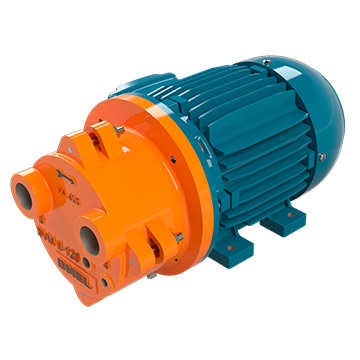
Our pumps operate with vacuum levels down to 40 [mbar] or -730 [mmHg] (without the use of ejectors) and cover a capacity range from 30 to 750 [m³/h], serving everything from small pumping stations to large-scale installations.
The liquid ring construction provides resistance to impurities and small foreign particles drawn into the system, an important characteristic in intake systems where the water may contain fine particles.
Compression is completely oil-free, and the noise level is lower than that of the electric motor itself, making operation cleaner and more comfortable.
DMD and DMP Metering Pumps: chemical reagent dosing
In WTPs, the dosing of chemical reagents is the central axis of the potabilization process. The controlled addition of coagulants, alkalizing agents (such as caustic soda), disinfectants (sodium hypochlorite or liquid chlorine), and flocculating polymers occurs at specific points in the flow, with flow rates proportional to the quality of the raw water and the treated flow rate.
Any deviation in dosing accuracy has direct consequences: underdosing chlorine compromises sanitary safety; excess coagulant increases costs and harms the final product; irregular polymer dosing affects floc formation and sedimentation efficiency. Repeatability and dosing system stability are therefore non-negotiable requirements.
OMEL offers two metering pump lines for the sanitation sector: the DMD and DMP lines.
The DMD line, with mechanically actuated elastomeric diaphragm, is suitable for dosing sodium hypochlorite, liquid polymers, and alkaline solutions in open tanks or low-pressure lines. It has a capacity range from 0 to 1,140 [l/h], effective discharge pressure up to 10 [bar], and repeatability of ±3%.
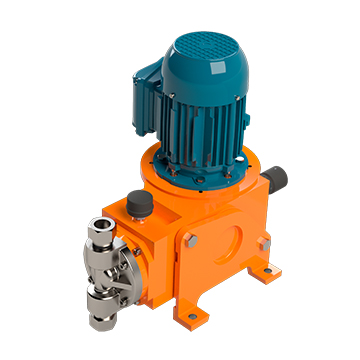
It delivers the precision required for continuous operation in small and medium-sized WTPs. Its modular construction allows the configuration of up to 6 pump heads from a single drive unit, simplifying installation and maintenance.
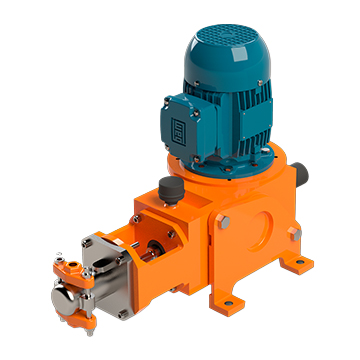
For applications with higher pressure requirements, such as reagent injection into pressurized lines, the piston-type DMP line operates at pressures up to 328 [bar] and capacities up to 1,042 [l/h], with dosing heads available in stainless steel or plastic (PVC, polypropylene, PTFE), according to the chemical aggressiveness of the dosed product. Also modular, it allows up to 6 heads per drive unit.
NSP and NSP/P Metering Pumps: high precision for critical reagents
For applications in which dosing precision is a determining factor for process safety, such as dosing chlorine- or fluorine-based liquids, highly toxic reagents, or corrosive products in high-pressure lines, OMEL offers the NSP family of high-performance metering pumps.
NSP pumps combine the principle of high-precision piston operation with the safety of a hydraulically balanced diaphragm: a lapped piston adjusted with minimal tolerances drives oil against the diaphragm, which transfers this action to the dosed fluid without any contact between the product and mechanical components.
This isolation is essential in applications involving toxic, corrosive, or flammable products, in which contact between the fluid and conventional packing seals would represent a risk of cross-contamination or sealing failure with sanitary consequences.
They have capacities of up to 5,500 [l/h] per head and pressures up to 340 [bar], with a maximum error of less than 1% of the set point within the range of 10 to 100% of nominal capacity, with continuous adjustment possible while the pump is in full operation by means of a manual lever. The use of a frequency inverter allows direct integration with process control systems such as PLCs, making the NSP suitable for WTPs with automated dosing based on real-time water quality parameters.
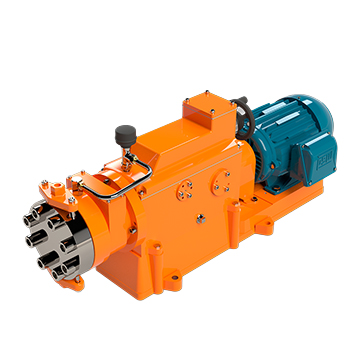
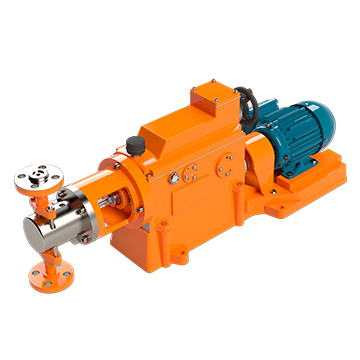
For higher capacities or for applications in which diaphragm sealing does not meet service conditions, such as products with suspended solids, high viscosities, or elevated temperatures, OMEL offers the NSP/P line of piston metering pumps.
In this version, the piston operates directly on the pumped product, with packing seals sized and selected for each type of fluid, covering flow rates of up to 33,600 [l/h] per head and pressures up to 440 [bar], also with errors below 1%.
“Roots” Blowers: aeration in treatment lagoons
In biological wastewater treatment, aeration is the central process. In activated sludge systems and aerated lagoons, microorganisms decompose organic matter through aerobic reactions, which require a continuous supply of dissolved oxygen. Interruption or instability in aeration compromises the biomass and can make the entire biological treatment process unfeasible.
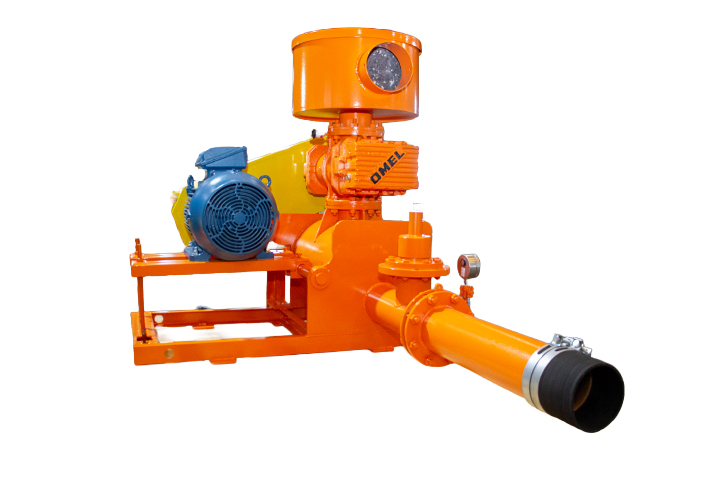
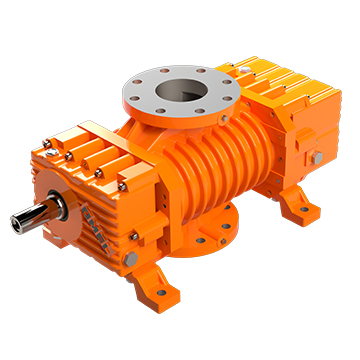
In submerged air diffusion systems, widely used in medium and large WWTPs due to their higher oxygen transfer efficiency and lower maintenance cost, blowers are the critical equipment in the entire chain. For aeration to be uniform and continuous, it is essential that the blower provides a practically constant flow rate even under pressure variations in the system, an intrinsic characteristic of OMEL blowers, which are positive displacement machines with trilobe profile rotors.
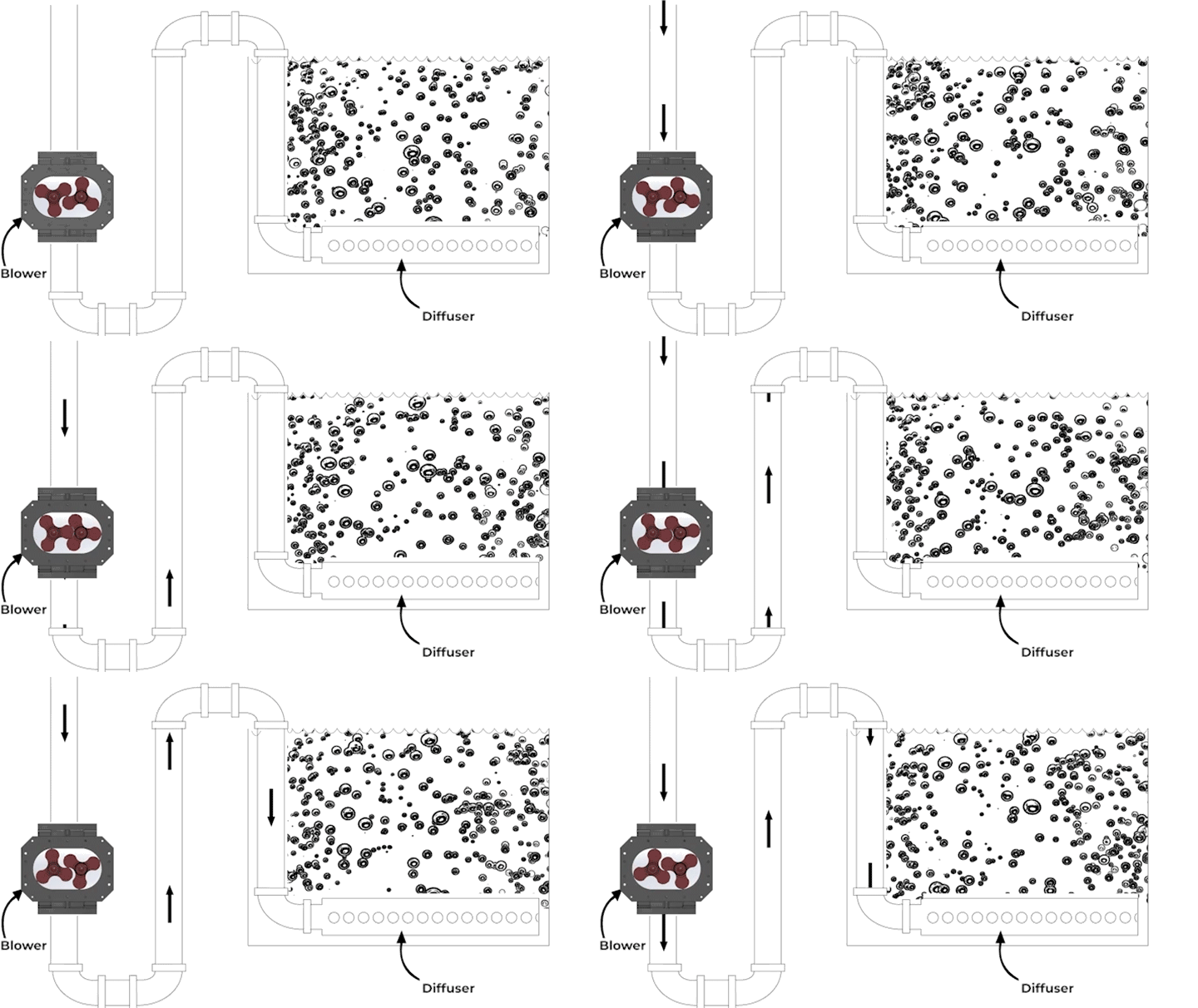
The air supplied by the blowers is completely oil-free, a necessary condition in biological treatment systems. The robust construction, with synchronization gears made of heat-treated alloy steel with ground helical teeth, double-row roller bearings, and piston ring-type sealing, ensures continuous operation with minimal maintenance intervention, a critical aspect in WWTPs that operate 24 hours a day, 7 days a week.
UND-VR centrifugal pump: raw sewage and sludge
The pumping of raw sewage, effluents with a high concentration of suspended solids, grease, and long fibers, or sludge from clarifiers and thickeners, represents one of the greatest hydraulic challenges in sanitation facilities.
These fluids contain solids that can clog or damage conventional closed-impeller rotors, resulting in frequent shutdowns and accelerated wear of components.
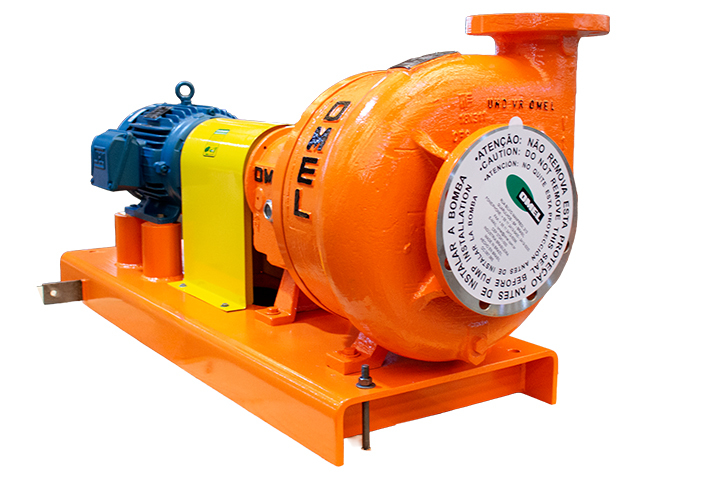
OMEL’s Vortex centrifugal pump was specifically designed for these conditions. Its operating principle is based on a recessed impeller, positioned completely outside the flow line, which generates an internal vortex inside the volute without requiring the solids to pass through the impeller.
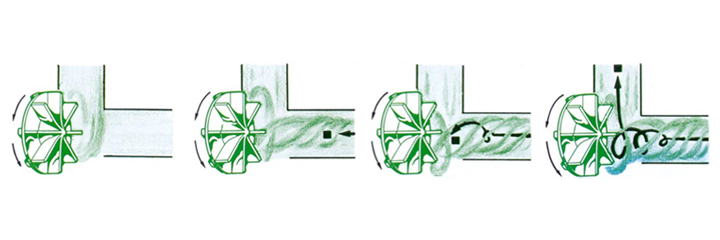
Most particles are discharged in less than one revolution by centrifugal action, and direct contact between solids and the impeller is practically eliminated.
This design characteristic results in a significantly longer service life in applications involving solids and fibers when compared to conventional impeller pumps.
The operating range covers capacities of up to 800 [m³/h] and heads of up to 62.5 [m].
NT Series Pinch Valves: flow control in sewage lines
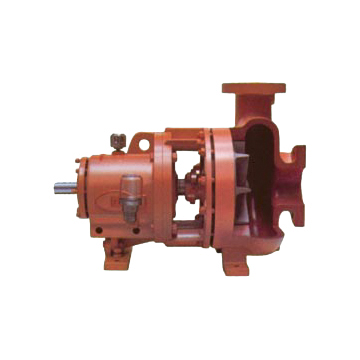
Flow control in lines carrying raw sewage, sludge, or effluents with a high concentration of solids and long fibers represents a specific challenge for process instrumentation. OMEL pinch valves operate on a distinct principle: the only component in contact with the fluid is the flexible elastomer sleeve, which is externally compressed to achieve closure. The entire internal mechanical structure remains isolated from the fluid, practically eliminating wear caused by abrasion and corrosion on the valve’s structural components.
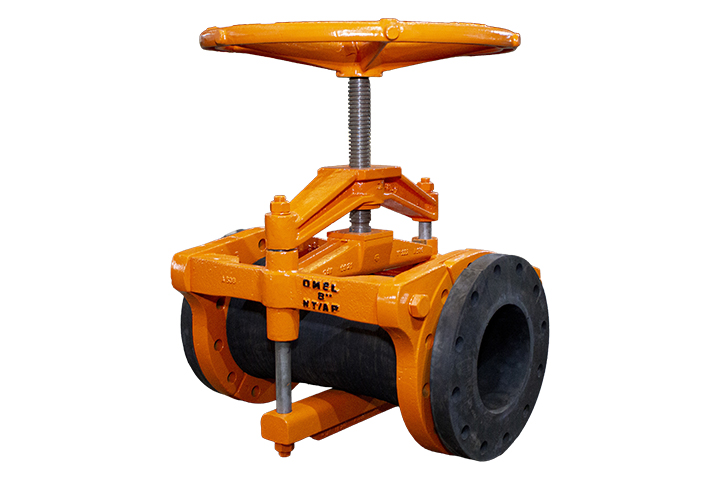
Closure is positive even over solids; when particles or fibers are trapped during closure, the sleeve simply molds around them, ensuring effective sealing.
When open, the passage is completely unobstructed, with no internal restrictions that could cause material buildup or significant pressure drop. The only component subject to wear is the sleeve itself, whose replacement is quick and does not require disassembly of the valve body.
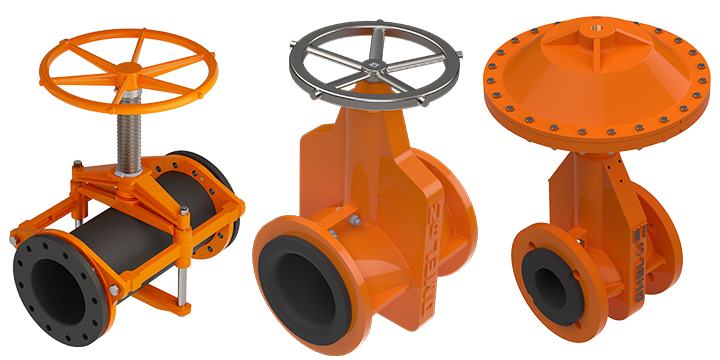
The NT series is available in diameters from 1/2″ to 24″, with service pressure up to 15 [bar] and temperature up to 80 [°C], depending on the sleeve material, which may be neoprene, hypalon, EPDM, or polyurethane.
Our valves can feature manual, pneumatic, or hydraulic actuation, making the line compatible with automated control systems in modern WWTPs.
OMEL Rotameters: flow measurement in dosing and process systems
The control of chemical reagent dosing in WTPs and WWTPs is not limited to the metering pump: measuring and verifying the actual product flow rate are equally critical to ensure that the calculated quantities are effectively being delivered to the process.
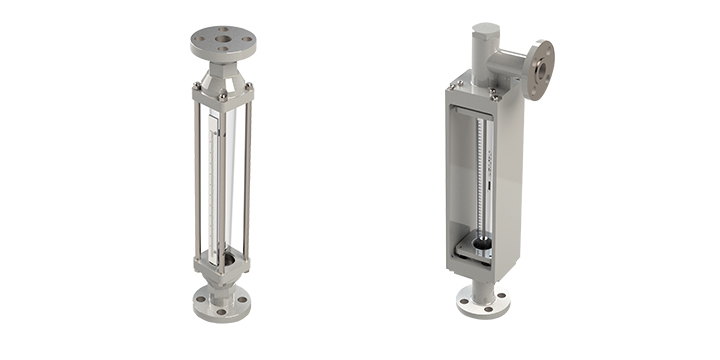
Rotameters are widely used for this purpose due to their operational simplicity, robustness, and ability to provide instantaneous readings without the need for electrical power.
In sanitation plants, rotameters are found in reagent lines (chlorine, coagulants, polymers), purge and instrumentation lines, pump bypasses, and at any point where continuous visual flow indication is required.
The main advantage of this type of instrument is the absence of electronics and electrical power supply, resulting in high availability and reduced maintenance costs throughout the installation lifecycle.
OMEL manufactures a complete line of rotameters covering everything from low flow rates in purge lines to measurement in main process lines up to 100 [m³/h], as well as processes operating at lower pressures of 10 [bar] up to higher pressures of 100 [bar], in addition to temperatures of up to 200 [°C].
Rotameter measurement depends on the properties of the fluid, such as specific mass and viscosity, as well as process parameters such as pressure and temperature.
One of our main differentiators is the fact that our rotameters are calibrated for the actual operating conditions and the handled fluid, eliminating the need for conversion tables, which are typical of conventional standardized rotameters.
Conclusion
In sanitation, equipment failures translate directly into risks to public health or environmental non-compliance.
Reliability, precision, and robust construction are not differentiators — they are fundamental requirements.
With more than 70 years in the market, OMEL serves the main operational stages of WTPs and WWTPs with:
BVM vacuum pumps for centrifugal pump priming;
- DMD, DMP, NSP, and NSP/P metering pumps for chemical reagents in different pressure and precision ranges;
- Rotameters for flow measurement and verification in process and reagent lines;
- SRT blowers for continuous biological aeration;
- UND-VR Vortex centrifugal pumps for fluids loaded with solids and fibers;
- NT Series pinch valves for control and isolation in aggressive lines.
Each piece of equipment was developed for heavy-duty service and continuous operation, ensuring long-term availability and stability.
Need Help?
Contact OMEL and find out which solution is best suited for your sanitation application.