

Introduction
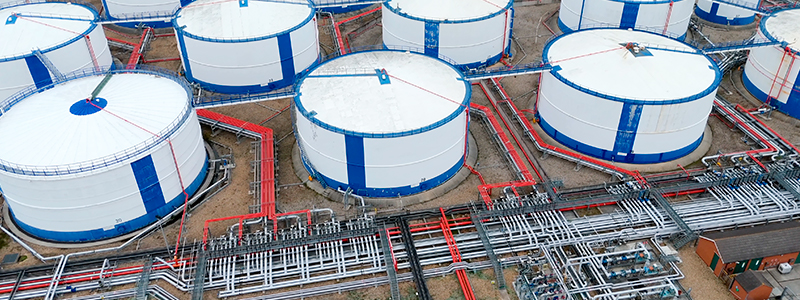
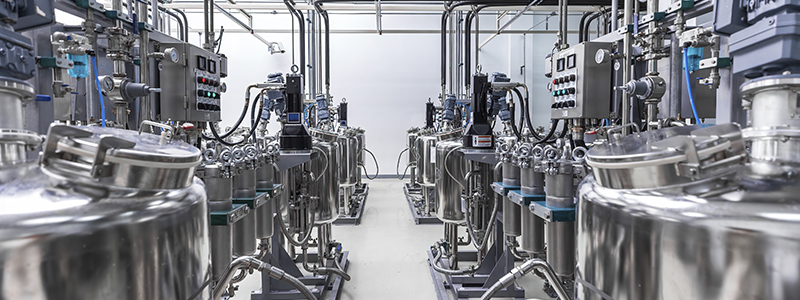
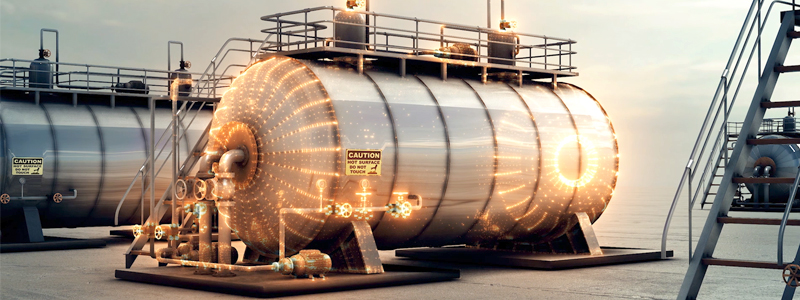
Steam generation and fluid heating are essential processes in modern industry.
Across virtually every industrial sector, boilers, heaters, and thermal fluid circuits operate continuously, transferring energy for drying, cooking, chemical reactions, sterilization, and hundreds of other applications.
The efficiency and service life of these systems, however, depend directly on the quality of the fluids circulating within them. This is where the precise dosing of treatment chemicals becomes a critical factor for reliable and efficient operation.
The Boiler, Heaters, and Thermal Fluid Market
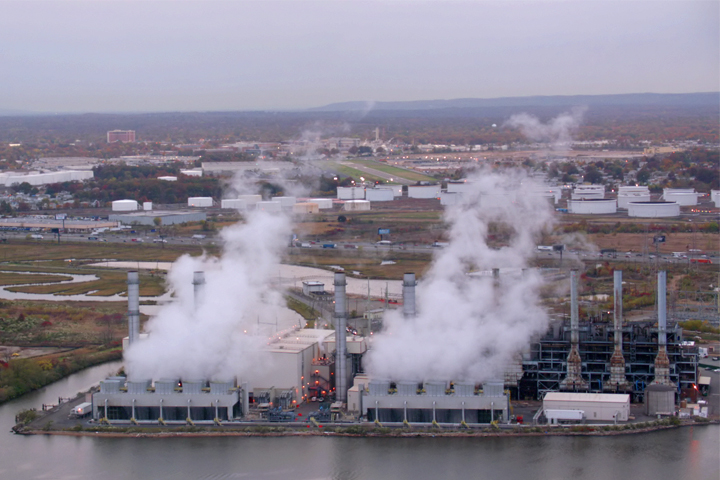
The boiler, heater, and thermal fluid market encompasses virtually every sector of the process industry.
Boilers (steam generators) are widely used across industrial processes. From pasteurization, cooking, and sterilization in the food and pharmaceutical industries to pulp cooking and drying in pulp and paper mills, as well as process heating in refineries, petrochemical plants, steel mills, and textile finishing operations, steam remains the most widely used thermal energy carrier in industrial production.
Thermal fluid heaters, in turn, are designed for processes requiring temperatures above 200 °C without the need for high operating pressures. They are widely used in the rubber and plastics industries, wood processing, fine chemicals, and surface treatment applications, where the thermal fluid circulates in a closed-loop system and can reach temperatures of up to 400 °C.
In any of these applications, the feedwater or thermal fluid must be chemically treated and carefully controlled to ensure that the equipment operates safely, efficiently, and within its intended service life.
Processes Involved
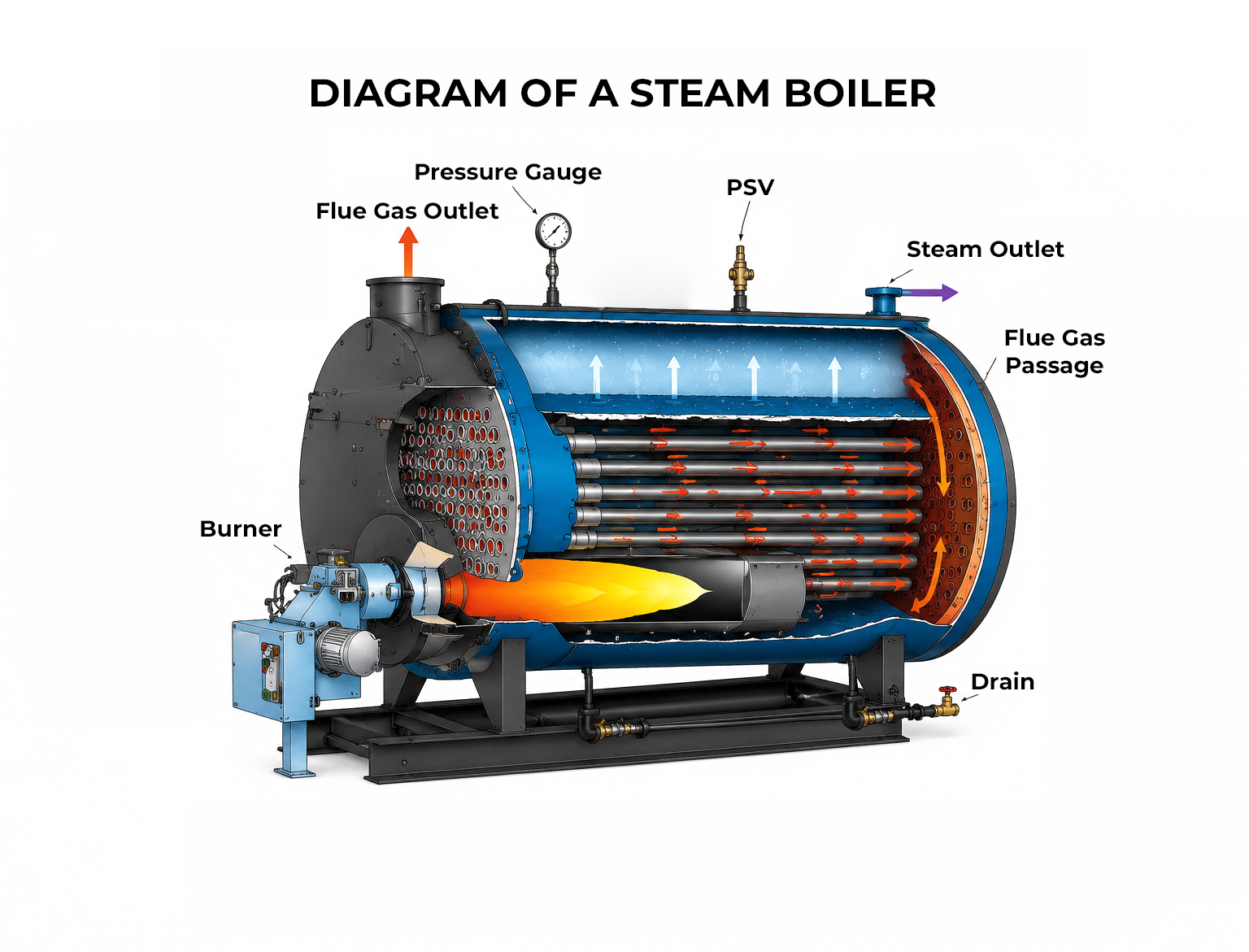
The operation of a steam boiler basically involves four interconnected systems: the feedwater system (make-up water + returned condensate), the steam generation system (boiler shell and tubes), the steam distribution system (superheated or saturated steam supplied to the process network), and the blowdown system (control of dissolved solids inside the boiler).
Water quality affects every stage of this cycle. Water enters through the feedwater system, passes through the deaerator (where dissolved oxygen is mechanically removed), receives the required chemical treatment, is converted into steam inside the boiler, and, after being used in the process, returns as condensate to begin the cycle again.
In thermal fluid systems, the circuit is closed and operates without a phase change. However, controlling the fluid’s acidity, oxidation, and thermal degradation requires continuous monitoring.
In thermal fluid heaters, the dosing of corrosion inhibitors and antioxidants protects both the heat transfer fluid and the heat exchange surfaces, extending the service interval between fluid replacements and reducing the system’s operating costs.
Pumping Chemicals for Boiler Water Treatment
The Problem: Scaling and Corrosion
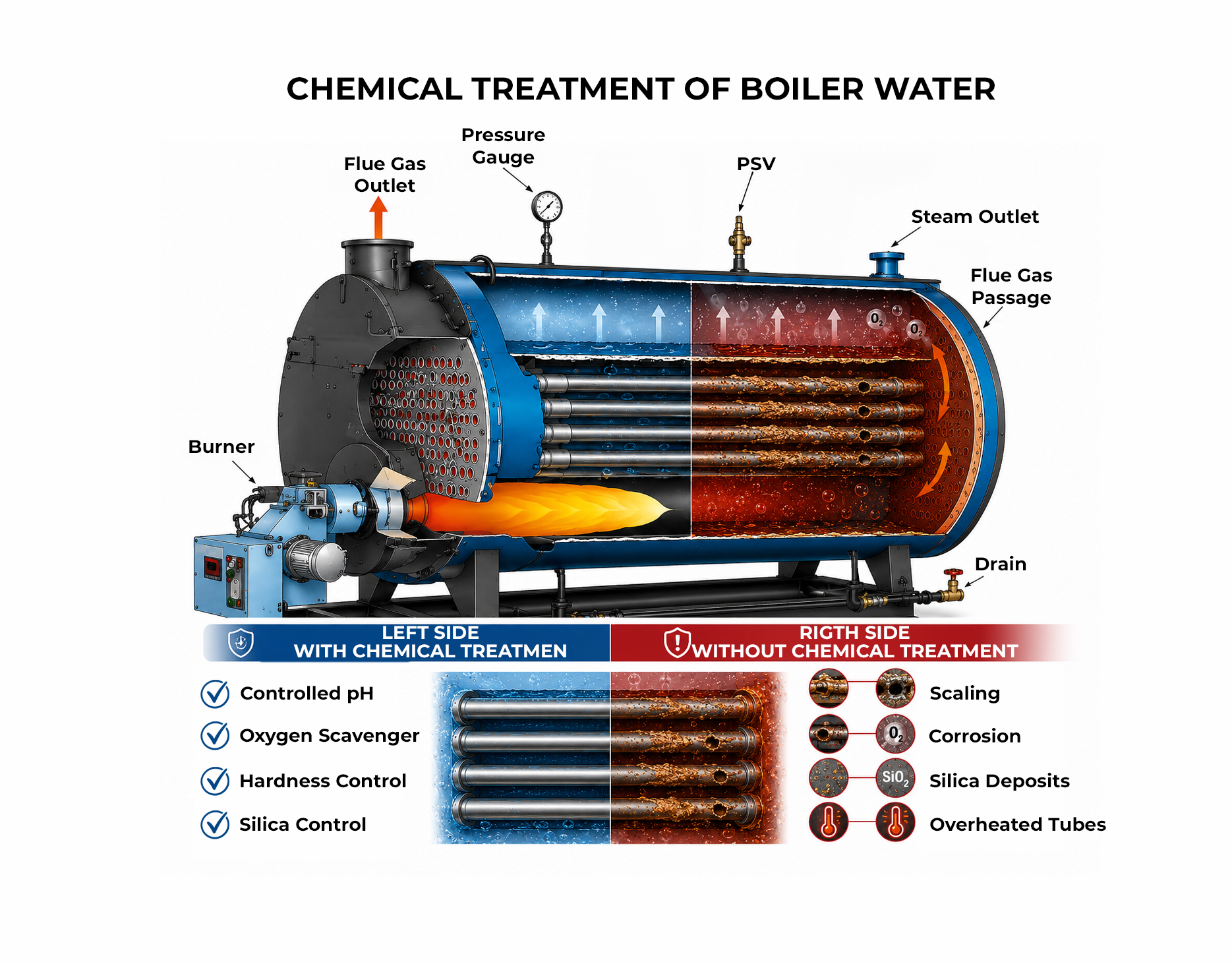
The water supplied to an industrial boiler is rarely in ideal condition for direct use. Even after pretreatment by water softening, reverse osmosis, or demineralization, it still contains dissolved oxygen, may exhibit pH variations, and can contain traces of hardness minerals and silica.
Without proper continuous chemical treatment, two phenomena inevitably compromise the integrity of the boiler: scaling and corrosion.
Scaling occurs when calcium and magnesium salts, carbonates, and sulfates precipitate onto the hot surfaces of the boiler tubes, forming a solid layer with low thermal conductivity.
From an energy standpoint, the impact is immediate: a scale deposit only 1 mm thick can increase fuel consumption by up to 7%. At 3 mm, localized overheating of the tubes may lead to mechanical failure due to tube rupture, with serious consequences for the entire plant.
Corrosion, in turn, is promoted by the presence of dissolved oxygen (O₂) and by pH values outside the ideal alkaline range (between 10.5 and 11.5 for medium-pressure boilers).
This electrochemical attack progressively corrodes the internal surfaces of the tubes, headers, and steam drum, reducing wall thickness and creating a significant risk of catastrophic pressure failure.
Chemical Treatment Products and the Need for Precise Dosing
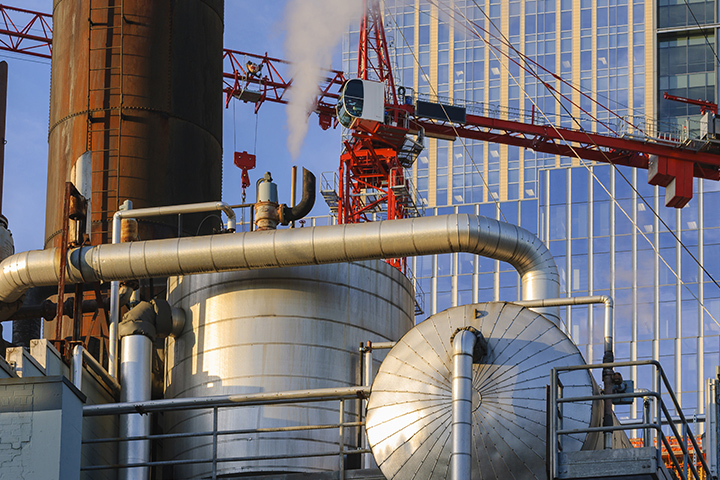
These problems are controlled through the continuous dosing of specific treatment chemicals, such as:
- oxygen scavengers (such as sodium sulfite, DEHA, or hydrazine), which chemically remove the residual O₂ that escapes the deaerator, preventing electrochemical corrosion in the boiler tubes;
- scale inhibitors and dispersants (polyphosphates, phosphonates, and polyacrylates), which keep calcium and magnesium salts suspended in the water, preventing their precipitation on hot heat transfer surfaces; and
- pH control and alkalizing agents (sodium hydroxide and neutralizing amines), which maintain the boiler water pH within the protective alkaline range, inhibiting corrosion both on the internal surfaces of the boiler and throughout the condensate return system.
The critical aspect of this process is the accuracy and continuity of chemical dosing.
Insufficient oxygen scavenger dosing leaves dissolved oxygen available to attack the boiler tubes. On the other hand, excessive dosing increases the concentration of dissolved solids and promotes the carryover of treatment chemicals into the steam, contaminating the process.
For scale inhibitors, underdosing results in scale formation, while overdosing may lead to sludge accumulation inside the tubes.
For this reason, conventional pumps are not suitable. The process requires metering pumps capable of delivering accurate, adjustable, and stable flow rates over long operating periods.
The correct pump selection, however, depends on the injection point within the system and, consequently, on the operating pressure at that location.
Two Dosing Scenarios: Two OMEL Metering Pump Families
Boiler water treatment takes place at two distinct points in the system, each operating under significantly different pressure conditions. Each scenario requires a dedicated family of metering pumps designed for its specific application. OMEL offers solutions for both.
Scenario 1: Feedwater Pretreatment (Low-to-Medium Pressure) – DMP Metering Pump

The first dosing point is located in the feedwater pretreatment system or in the pressurized lines of low-pressure boilers, a typical configuration for fire-tube boilers, which generally operate at pressures between 10 and 25 bar.
At this point—which may include the make-up water tank, the deaerator, or the low-pressure feedwater line—treatment chemicals are injected to adjust the water quality under low-to-medium pressure conditions.
Scale inhibitors, dispersants, and pH control chemicals are typically dosed at this stage, where the system still operates at pressures compatible with standard utility service conditions.
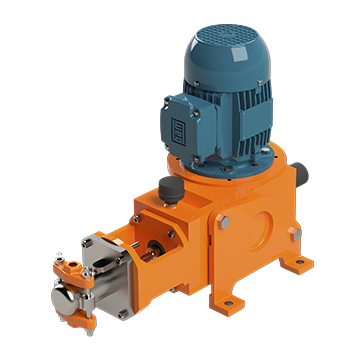
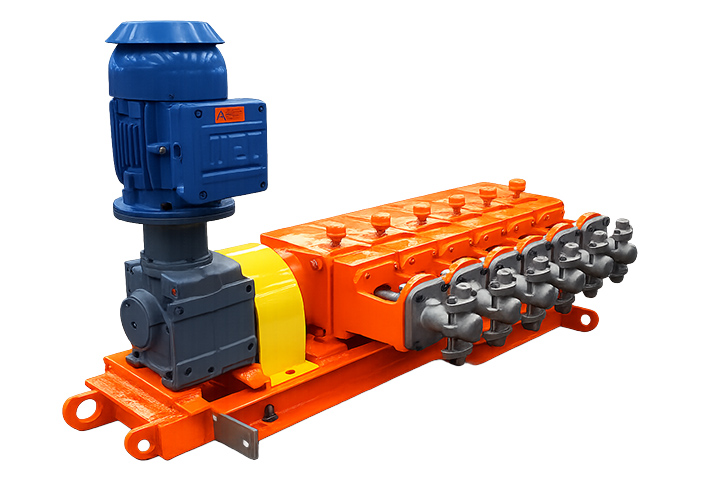
For this application, the OMEL DMP Piston Metering Pump is the recommended solution. Developed from the well-established NSP product line, the DMP is a monoblock piston metering pump capable of accommodating up to six dosing heads driven by a single power unit.
Each dosing head has its own eccentric mechanism, allowing independent dosing and capacity adjustment from 10% to 100% while the pump remains in operation, either by means of a micrometric adjustment screw or, optionally, by pneumatic or electric actuators.
DMP Operating Parameters:
- Capacity per dosing head: from 2.8 L/h up to 1,042.5 L/h (depending on piston diameter)
- Maximum pressure: up to 328 kgf/cm²
- Fluid temperature: up to 80 °C
- Configuration: up to 6 dosing heads per drive unit
- Motors: 0.25, 0.50, and 0.75 HP, 220/380 V, three-phase, 4-pole, 60 Hz
The wide range of available pump head materials—including Stainless Steel 304, Stainless Steel 316, Alloy 20, Hastelloy B, Hastelloy C, as well as thermoplastic versions in PVC, HDPE, PP, and PTFE—allows the most suitable configuration to be selected according to the chemical being dosed.
The multi-head configuration is particularly advantageous when multiple injection points or multiple chemicals must be handled, as it centralizes the drive system in a single unit.
Scenario 2: High-Pressure Injection Line – NSP Series Metering Pumps
The second dosing point is the direct injection into the boiler’s high-pressure feedwater line, downstream of the feedwater pump, where the system is already pressurized.
This scenario is typical of water-tube boilers, in which water flows inside the tubes while the hot combustion gases circulate around their external surfaces.
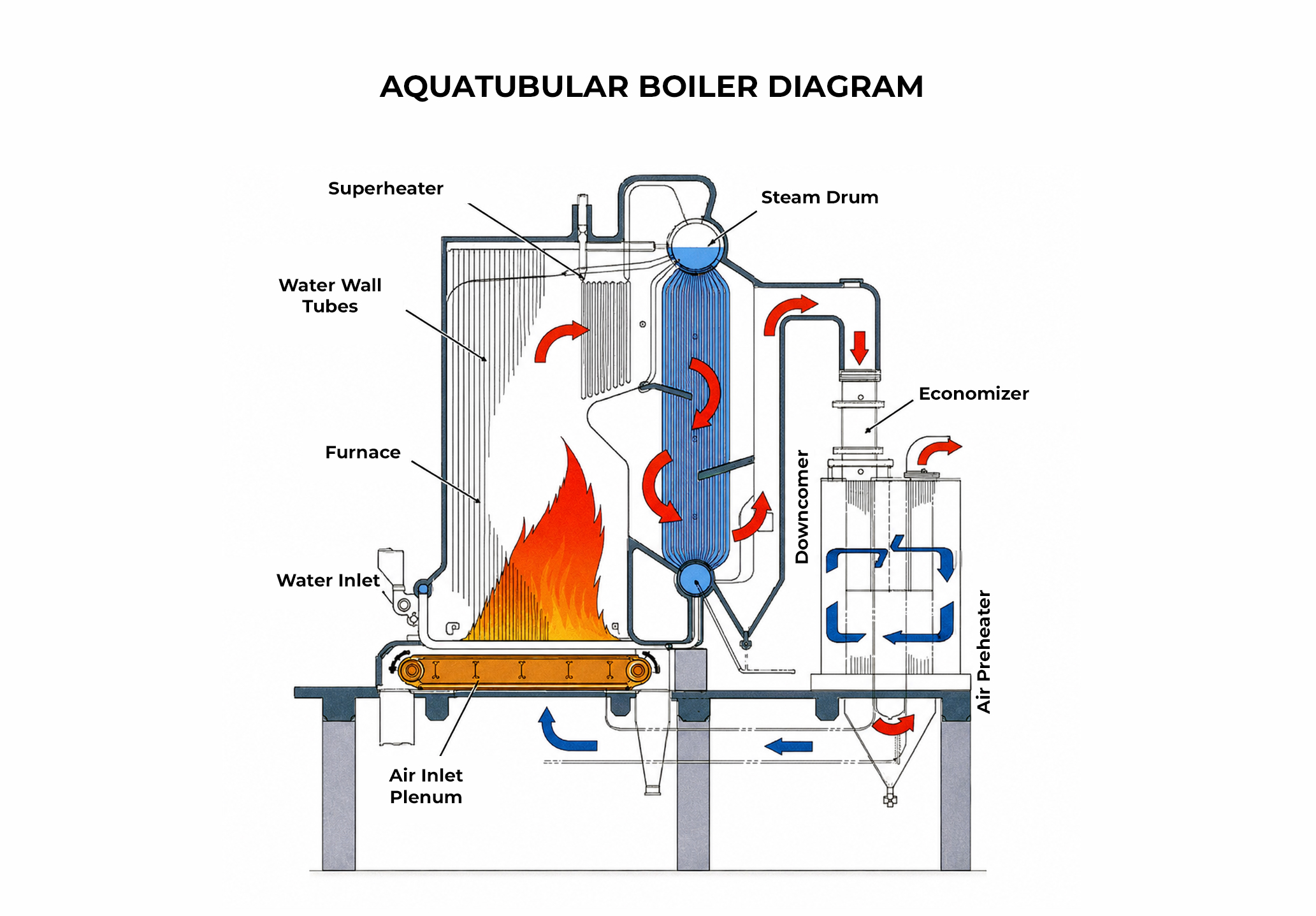
Due to their design, water-tube boilers operate at much higher pressures than fire-tube boilers, often exceeding 100 bar in medium-pressure industrial applications and reaching several hundred bar in power generation plants. Thermal power stations, for example, commonly operate boilers at pressures around 200 bar.
Under these operating conditions, the dosing of oxygen scavengers and corrosion inhibitors must be performed against the full pressure of the system, requiring metering pumps specifically designed for high-pressure service.
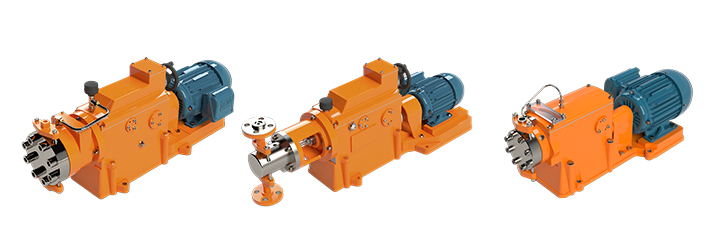
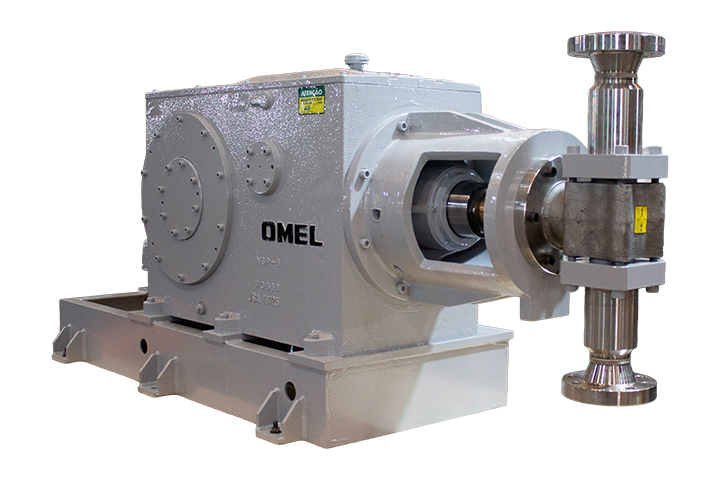
For this application, OMEL offers the NSP/P (piston) and NSP (hydraulically actuated diaphragm) metering pump series, both designed in accordance with API 675.
These product lines have been developed for high-precision dosing in critical process applications, providing linear capacity adjustment from 10% to 100% with a maximum dosing accuracy error of 1%.
The hydraulically balanced diaphragm used in the NSP Series completely isolates the pumped fluid from the mechanical components of the pump, eliminating the risk of contamination while ensuring leak-tight operation even when handling corrosive, toxic, or high-temperature fluids.
NSP/M-P Operating Parameters
- Capacity per pump head: 0.26 to 13 L/h
- Maximum pressure: up to 200 bar
- Fluid temperature: -40 °C to +400 °C
- Accuracy: maximum dosing error of 1%
NSP/P Operating Parameters
- Capacity per pump head: up to 33,600 L/h
- Maximum pressure: up to 350 kgf/cm²
- Fluid temperature: -40 °C to +400 °C
- Accuracy: maximum dosing error of 1%
NSP Operating Parameters
- Capacity per pump head: up to 5,500 L/h
- Maximum pressure: up to 340 bar
- Fluid temperature: -40 °C to +400 °C
- Accuracy: maximum dosing error of 1%
- Option: Triple diaphragm (OMEL patented design) for enhanced operational safety.
The available pump head materials cover the wide chemical compatibility requirements of boiler water treatment chemicals, including AISI 304, AISI 316, AISI 316L, Hastelloy B, Hastelloy C, Alloy 20, as well as PVC, PTFE, and Polypropylene.
The OMEL patented triple-diaphragm NSP version is recommended for applications requiring the highest level of protection. Three diaphragms arranged in series create a safety barrier that allows any diaphragm failure to be detected by a vacuum gauge (with optional alarm activation or PLC integration) before the process fluid can reach and contaminate the pump’s mechanical system.ômetro (com possibilidade de alarme ou integração com CLP) antes que o produto contamine o sistema mecânico da bomba.
Conclusion
Water quality in boilers, heaters, and thermal fluid systems is far more than an operational detail—it is a key factor in ensuring energy efficiency, equipment integrity, and uninterrupted process operation.
Proper chemical treatment requires accurate dosing at two distinct points within the system, each operating under significantly different pressure conditions. For low-to-medium-pressure feedwater pretreatment, the OMEL DMP Metering Pump provides the capacity, robustness, and configuration flexibility required for reliable operation.
For direct injection into the boiler’s high-pressure feedwater line, the NSP/P and NSP Series deliver the precision and high-pressure resistance demanded by this critical application, while fully complying with the requirements of API 675.
Selecting the right metering pump for each stage of the process is the first step toward ensuring boiler protection, maximum operational reliability, and continuous plant performance.
Need Assistance?
Our technical team is available to help you select and size the ideal metering pump for your boiler system.