

A blower is a fluid machine used to move and pressurize gases, primarily air. It serves a variety of applications where it is necessary to move air or gases at high flow rates and low pressures.
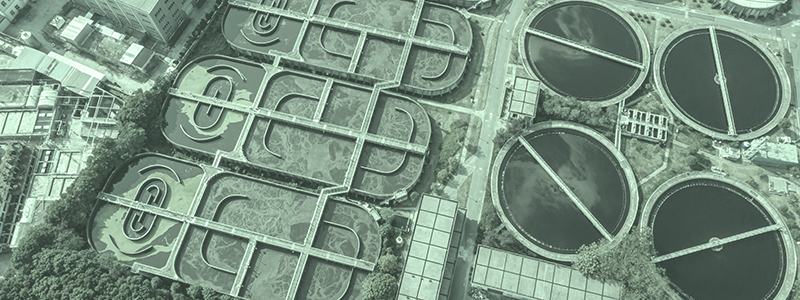
The importance of blowers in the sanitation market is due to their significant contribution to oxygen transfer in aeration lagoons, helping to reduce odors and improve water quality before its discharge or reuse.
Blowers help maintain the stable operation of treatment plants by supporting solids removal and ensuring adequate oxygenation of aquatic environments.

Positive Displacement Lobe Blowers, also known as “Roots-Type Blowers”, are machines used to supply air in industrial processes, including water and wastewater treatment applications in the sanitation sector.
In this article, we will detail the main functions of these equipment within the different stages of water and wastewater treatment.
Applications in Sanitation Processes
The sanitation process generally involves several stages: first, the collection and transportation of waste or wastewater to treatment facilities. Next, preliminary treatment removes large solids and unwanted materials.
During primary treatment, sediments and larger particles are separated from the water. Secondary treatment, usually biological, breaks down the remaining organic matter with the help of microorganisms. Tertiary treatment, when required, further treats the water to remove additional contaminants and pollutants.
It is during secondary treatment that blowers play their most important role. Let’s take a closer look:
1. Aeration of Stabilization Ponds
Blowers are widely used to supply oxygen to stabilization ponds, which are large basins where wastewater is treated. Aeration promotes the growth of aerobic microorganisms that use oxygen to break down organic matter, helping to decompose pollutants present in the water.
Without adequate aeration, the treatment process becomes ineffective, resulting in poor-quality wastewater and reduced treatment efficiency.
2. Biogas Systems

Biogas is produced through the anaerobic decomposition of organic matter in digesters. The ability to move large volumes of gas at low pressures makes blowers an excellent choice for wastewater treatment processes involving biogas handling. This gas movement helps maintain proper mixing within the digester, promoting more efficient decomposition of organic matter. Blowers are also used to transfer biogas to electrical power generators, contributing to energy recovery and improved process efficiency.
3. Sand Filter Backwashing
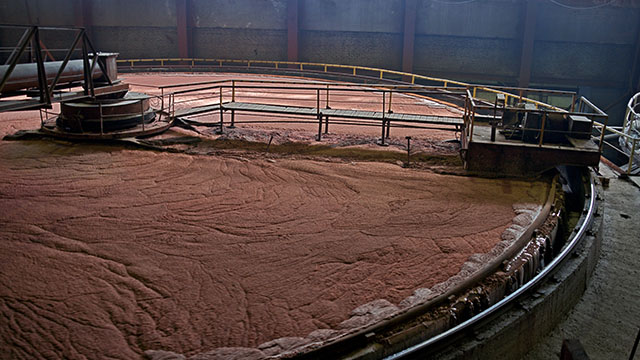
Backwashing is an important process for removing impurities accumulated in filters, ensuring the quality of treated water. Blowers provide the compressed air required to expand the sand bed and release the particles trapped within the filter media.

OMEL Blower Line for the Sanitation Market
SRT Series – Trilobe Roots Lobe Blowers
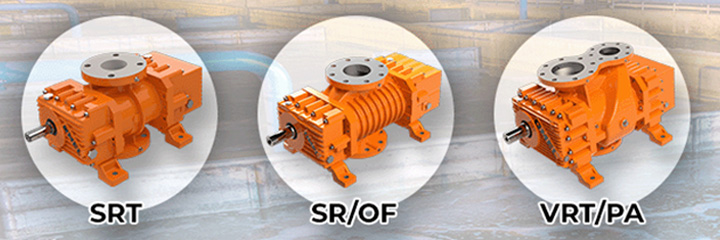
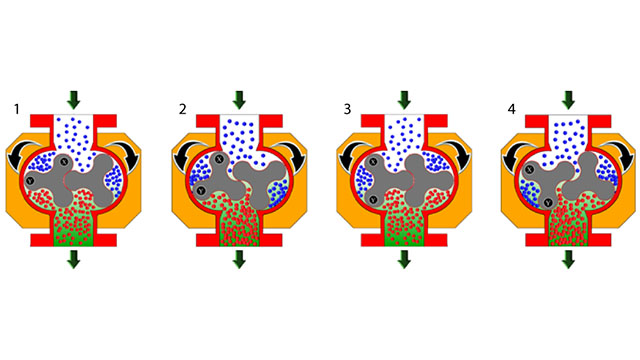
Designed with three rotating lobes (trilobe rotors) that rotate in opposite directions, these blowers trap and convey air or gases toward the discharge port.
During this process, the air or gas is pressurized, automatically adjusting to the system pressure. The trilobe design provides greater strength and improved pressure distribution, reducing peaks caused by gas backflow and enabling a pulsation cycle 30% smoother than that of bilobe rotors, resulting in a more uniform flow.
SR/OF or SRT/OF Series – OIL-FREE Type
The main difference between the SRT and SR blowers lies in the lobe design. The SR series offers the classic bilobe design, while the SRT series features trilobe rotors. In all other aspects, the blowers are similar, including the complete absence of oil in the delivered air or gas.
The air compression chamber is isolated from both the bearing housing and the gearbox to prevent contamination of the pumped air, even in the event of failure of the labyrinth rings and oil seals located between the blower casing and the bearing housing.
VRT/PA Series – Roots-Type Vacuum Pumps
The VRT/PA series consists of vacuum pumps that operate similarly to trilobe blowers and are capable of achieving a high compression ratio (vacuum) without special issues when handling air at ambient temperature.
Six models of these pumps are manufactured, intended for stationary use in central vacuum systems or for mobile applications on trucks used for cleaning or vacuum collection of water and sewage.

Applications
The SRT, SRT/OF, and VRT/PA series provide a wide range of solutions for the diverse needs of the sanitation market.
They play an important role in the aeration of tanks and lagoons, assisting with odor control, supporting filtration systems, and serving many other applications within the sector. These blowers are designed to deliver efficient and adaptable performance.
With an extremely robust casing, manufactured as a single cast-iron piece, along with the ability to operate with low noise levels and minimal maintenance, they are a reliable and long-lasting choice for water and wastewater treatment plants.