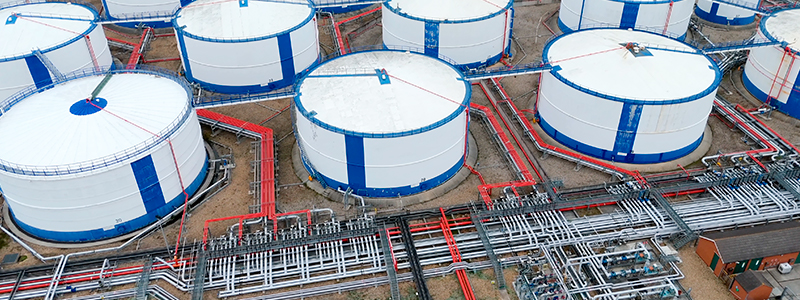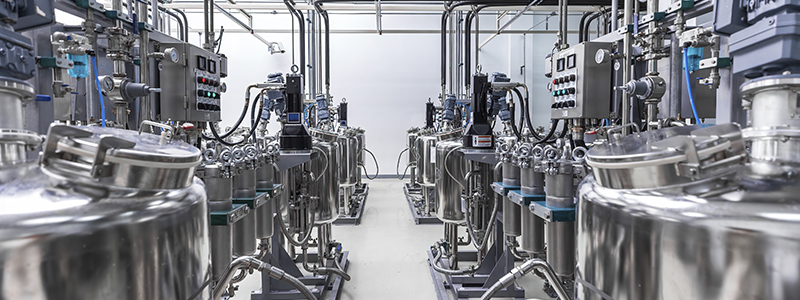


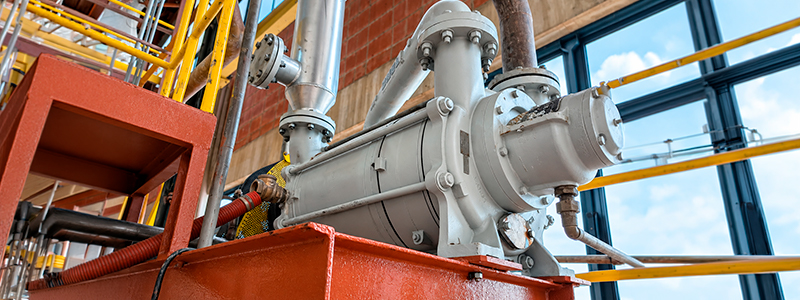
Vacuum systems play an important role in a wide range of industrial processes and are used in operations that require pressure reduction and control to enable different stages of production.
Each application, however, has specific operating conditions. The required vacuum level, the flow rate to be handled, the characteristics of the gases or vapors present in the process, and the operating conditions directly influence the selection of the most suitable system configuration.
For this reason, a vacuum system must be evaluated according to the specific requirements of each process. OMEL develops vacuum systems for specific applications, drawing on its expertise in liquid ring vacuum pumps and application engineering to design and manufacture different configurations according to the requirements of each operation.
OMEL is a 100% Brazilian company certified to ISO 9001 and complies with the standards and requirements applicable to the supply of these systems, including specifications from Petrobras and the energy and engineering sectors. The company designs and manufactures vacuum systems in Brazil, with equipment operating in several countries, including the United States.
What is a vacuum system?
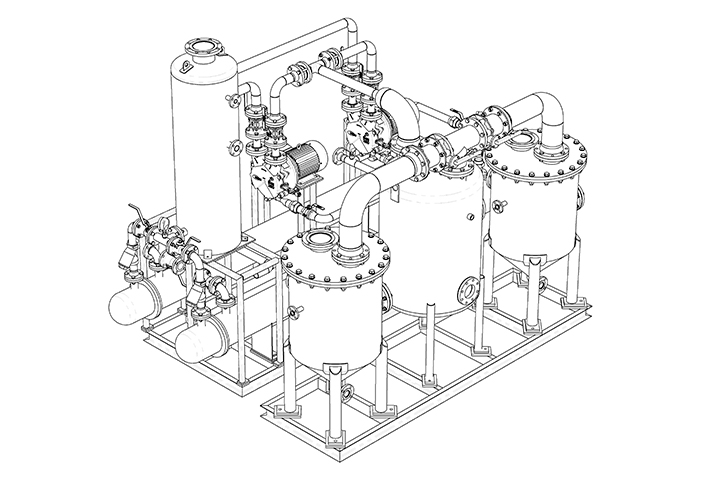
A vacuum system can be defined as an arrangement of equipment used to generate and maintain vacuum conditions in a specific industrial process.
This means that the solution is not necessarily limited to the use of a single vacuum pump. Depending on the application conditions, different types of equipment can operate together as an integrated system to achieve the conditions required by the process.
Among the components used in the system configurations offered by OMEL are liquid ring vacuum pumps, Roots vacuum pumps, ejectors, condensers, separators, heat exchangers, centrifugal pumps, piping, and instrumentation.

What should be considered when selecting a vacuum system?
Defining the appropriate configuration requires a thorough analysis of the actual operating conditions.
The selection among the different vacuum system configurations available for a specific application should take into account both the technical aspects and the economic factors involved in the project.
Key factors include the suction pressure that must be achieved or maintained in the process and the flow rate that needs to be handled. However, these are not the only parameters that should be considered.
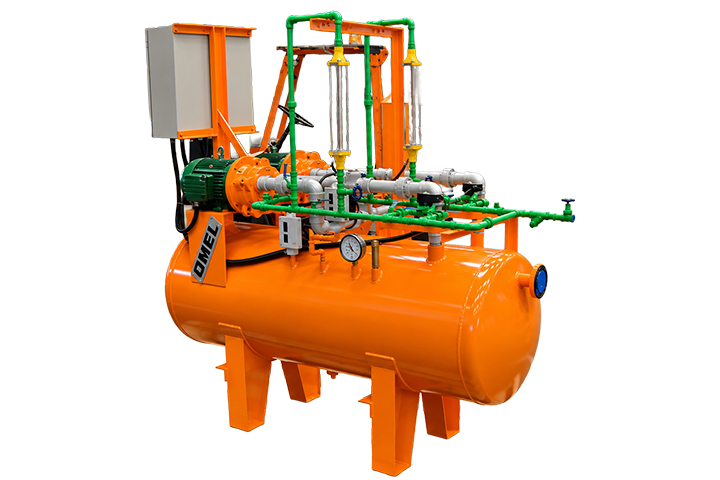
Depending on the application, it may also be necessary to evaluate the system’s ability to handle solids or liquids that may be drawn into the system, gases with specific characteristics, changes caused by sudden air ingress, variations in discharge pressure, and installation conditions in harsh environments or hazardous areas.
These factors help determine not only the technology used to generate the vacuum, but also the auxiliary equipment required for the proper operation of the system as a whole.
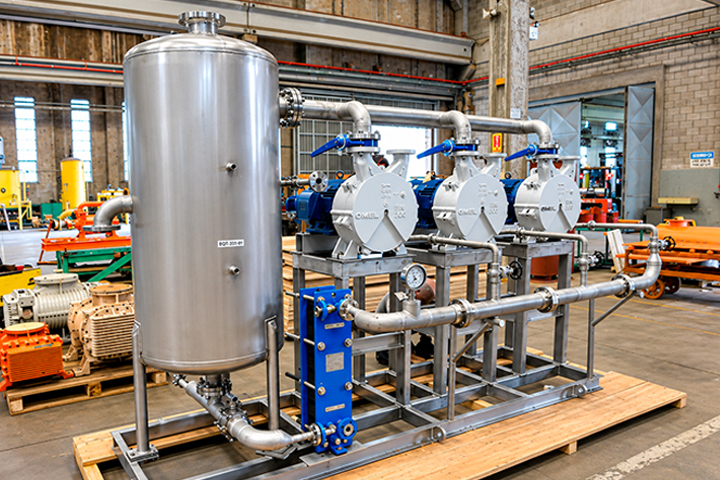

Main OMEL vacuum system configurations
Vacuum generation requirements may result in different equipment arrangements. Among the configurations offered by OMEL, there are three main options.
Vacuum system with liquid ring vacuum pump and centrifugal pump
One of the configurations uses liquid ring vacuum pumps combined with auxiliary equipment such as heat exchangers, sealing liquid separators, centrifugal pumps for extraction, piping, and instrumentation.
The combination of these components allows the system to be configured according to the operating conditions required by the process.
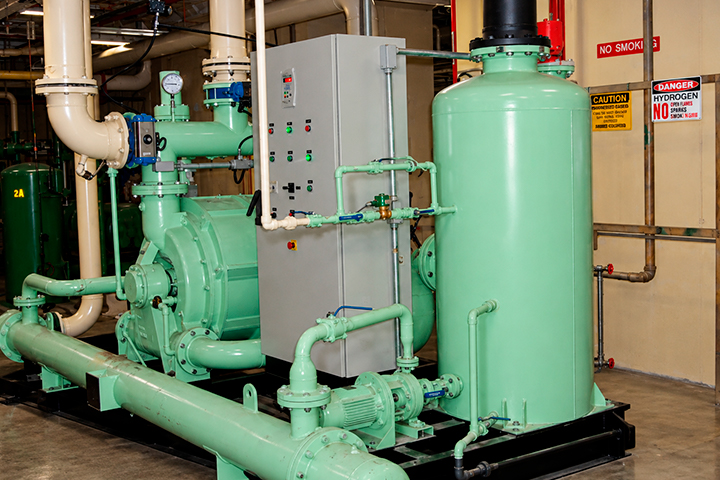

Vacuum system with liquid ring vacuum pump and ejectors
Another option is to combine a liquid ring vacuum pump with steam or atmospheric ejectors.
In this arrangement, the system may also include condensers, recirculation separators, heat exchangers, centrifugal pumps, piping, and instrumentation.
As an example, the technical documentation presents a configuration designed to maintain an absolute pressure of approximately 10 mmHg in a chemical reactor.
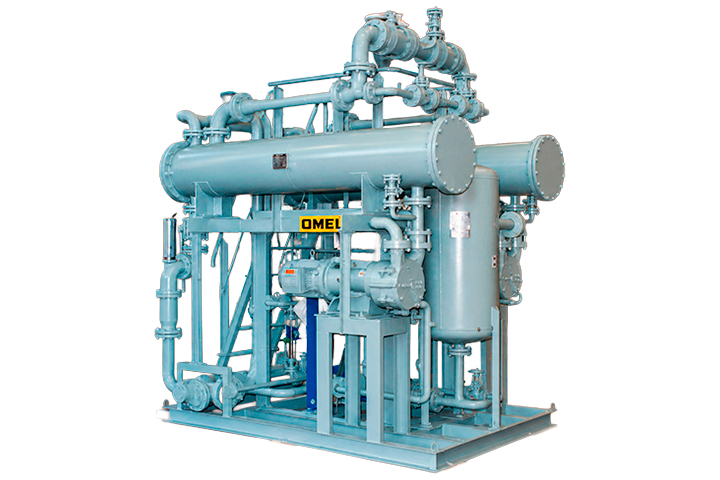
Vacuum system with liquid ring vacuum pumps, centrifugal pumps, and Roots-type blowers
A third configuration combines liquid ring vacuum pumps, centrifugal pumps, and Roots-Type Blowers.
The system may also include recirculation separators, heat exchangers, piping, and instrumentation.
The use of different technologies within the same system makes it possible to develop specific configurations according to the vacuum generation requirements of each application.
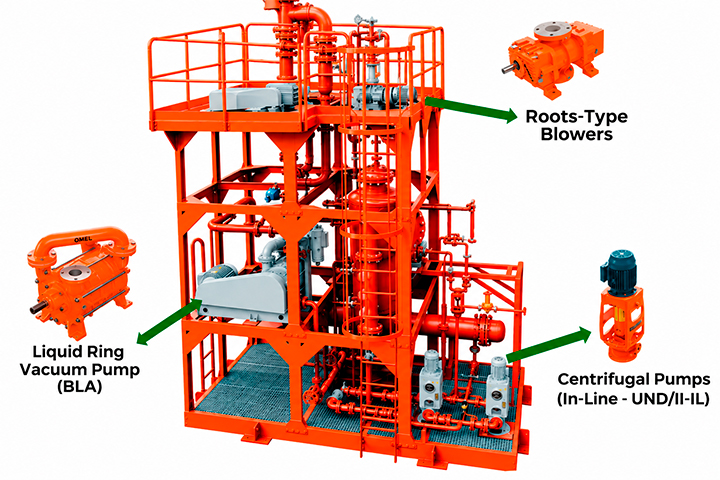

OMEL vacuum systems for different industrial applications
Vacuum system configurations can vary significantly depending on the industrial process. OMEL’s own application history demonstrates how different system arrangements can be used according to the specific characteristics of each operation.
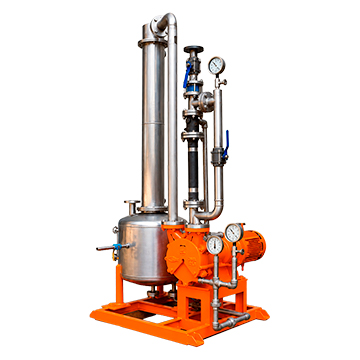
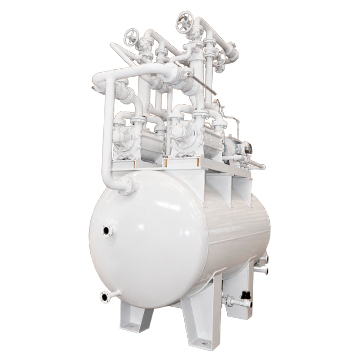
Filtration of enzymatic products in vacuum systems
One of the applications presented uses a vacuum system in a rotary filter for an enzymatic product following a CIP process, involving cleaning with nitric acid, caustic soda, and water.
In this application, the vacuum system is integrated into the filtration process using OMEL vacuum pumps.
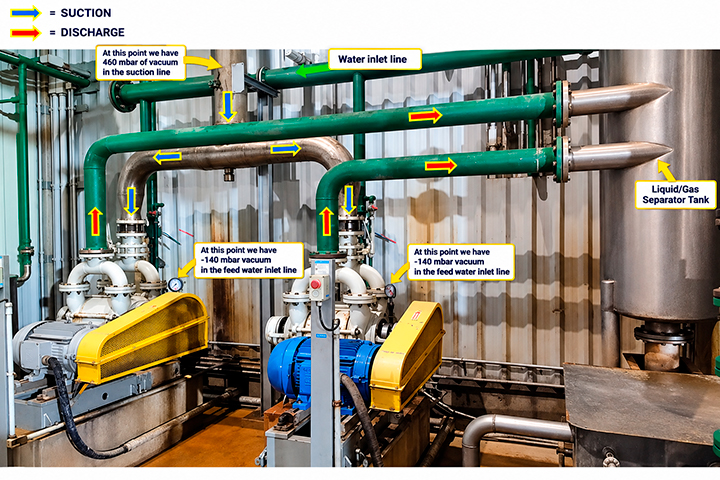
Citric Acid Extraction and Distillation Using a Vacuum System
Another application is related to citric acid extraction and distillation processes.
The technical documentation presents a “Booster” configuration, using a blower operating under vacuum, an ejector, and a vacuum pump to achieve the vacuum level required by the process.
This example demonstrates how different technologies can operate together as an integrated system.
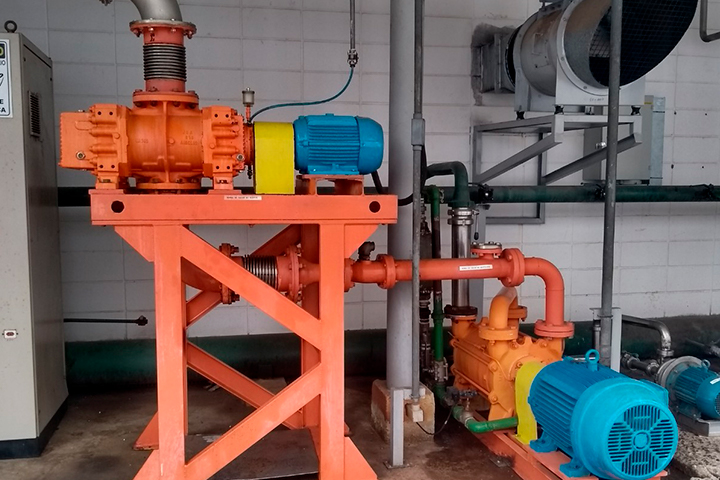
Citric acid extraction and distillation
Vacuum systems are also used in the glass manufacturing industry.
In the application presented by OMEL, liquid ring vacuum pumps operate in the molds used for manufacturing bottles and drinking glasses, removing saturated air.
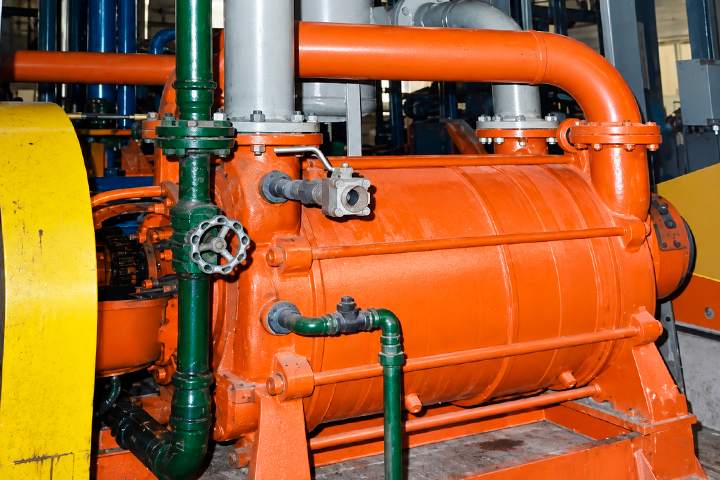
Engineering applied to the development of OMEL vacuum systems
As mentioned previously, the different configurations demonstrate that the selection of a vacuum system should not be based solely on an individual piece of equipment.
The analysis involves the process conditions and the interaction between the different components required to achieve and maintain the vacuum level required by the application.
OMEL designs and manufactures vacuum systems for specific applications, drawing on its expertise in liquid ring vacuum pumps and engineering applied to industrial systems.
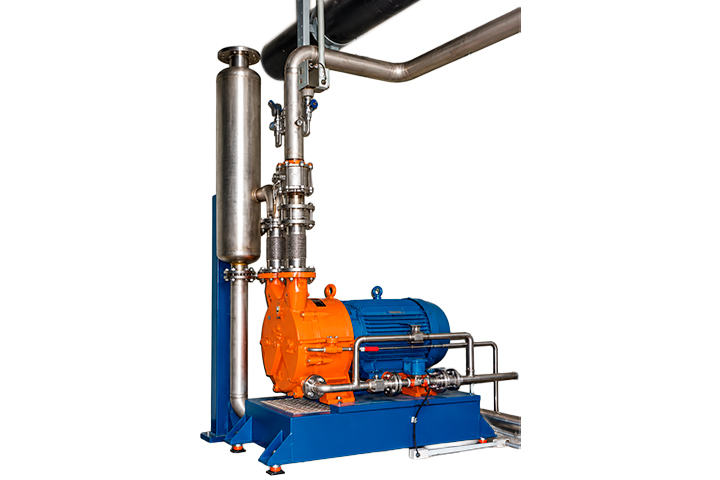
Selection and sizing considerations
The system configurations presented in this article represent possible arrangements. The selection and sizing of the appropriate system depend on the process characteristics and actual operating conditions. For this reason, each application must be evaluated individually before specifying the equipment.
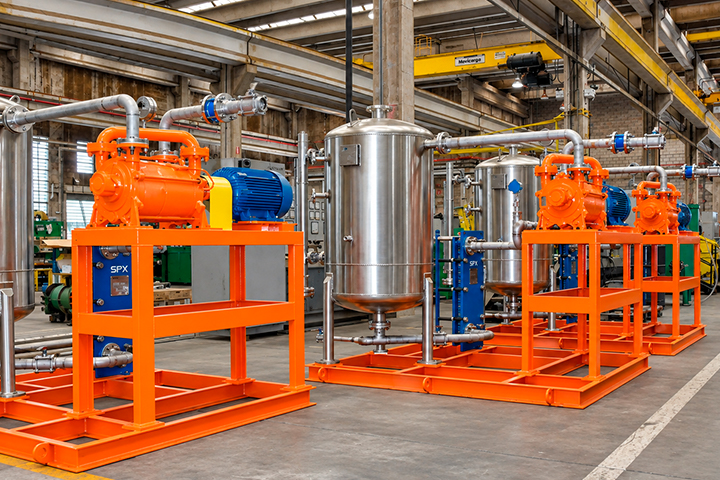
Conclusion
A vacuum system can involve much more than simply selecting a pump. Depending on the application, different technologies and auxiliary equipment must operate together as an integrated system to achieve the conditions required by the process.
With 74 years of experience in the industrial market, OMEL combines engineering and manufacturing expertise to develop vacuum equipment and systems tailored to the requirements of a wide range of industrial processes.
Do you need a vacuum package or vacuum system?
Talk to the OMEL team about the specific requirements of your application.